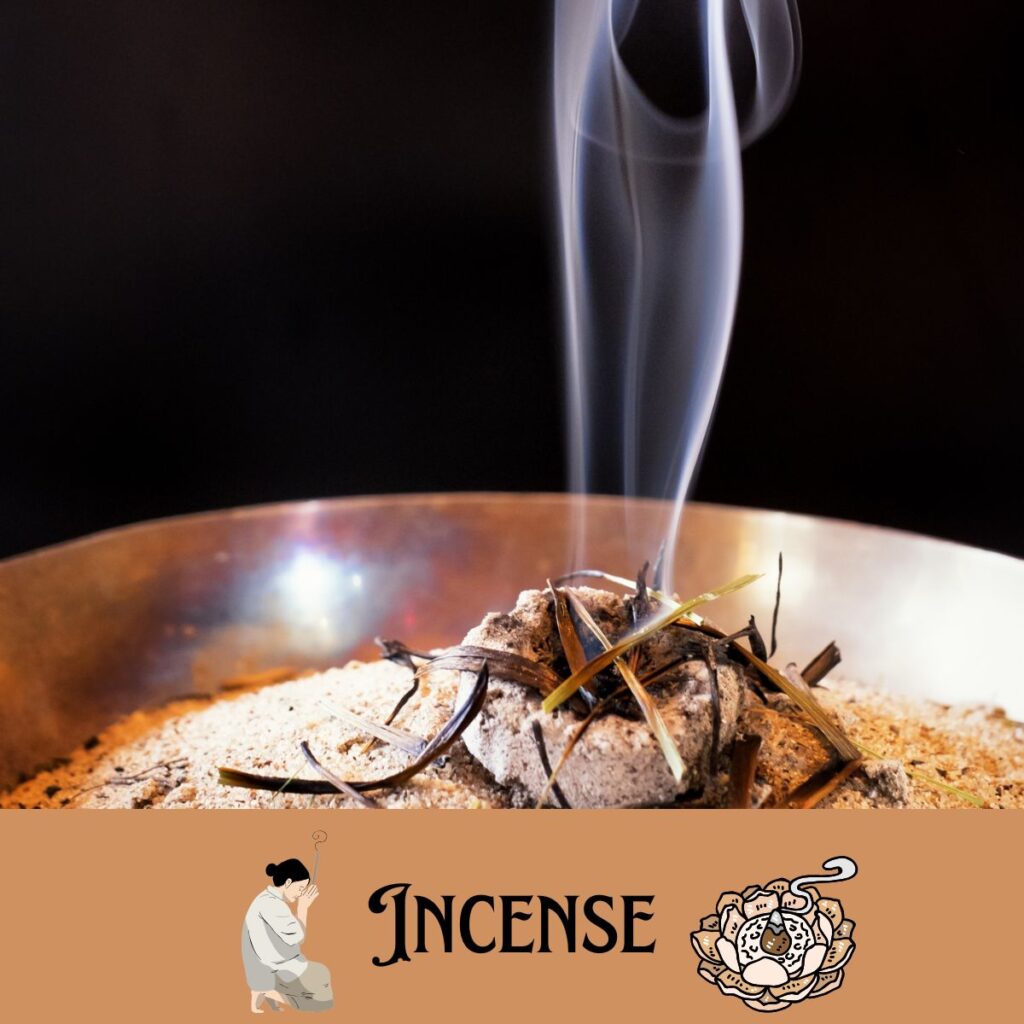
Incense-
Post Series: Herbal Preparations
In this post series, we explore the diverse ways botanicals can be prepared for culinary, wellness, and commercial applications. Learning about herbal preparation can deepen your understanding, promote self-reliance, and spark innovation in crafting unique, high-value botanical products.
Using plants as incense is one of the oldest methods of delivering herbal medicine, involving the burning or heating of aromatic plant materials so their beneficial compounds are released through smoke and/or volatile oils. This practice has deep roots across cultures, used not only for spiritual rituals, but also for physical and emotional healing.
Historically, cultures from ancient Egypt, India, China, and Mesoamerica to Indigenous groups across Africa, the Americas, and Australia have used incense made from resins, woods, herbs, and flowers. It was used to purify spaces, express reverence, ease breathing, calm the mind, support sleep, and protect against illness, both as a symbolic and physiological act.
➡️ This time of year, incense takes on a special resonance as many spiritual traditions (like Christianity) bring it into seasonal rituals. Its rising smoke symbolizes prayer, purification, and sacred connection, creating an atmosphere that feels both reflective and reverent. Whether used in Advent liturgies, Christmas services, or personal moments of contemplation, incense adds a sensory depth that marks the season as something set apart, inviting stillness, intention, and a touch of the sacred.
How to Make and Use Herbal Incense at Home:
1. Choose your herbs – Common options include frankincense (resin), myrrh, palo santo, sage, lavender, rosemary, cinnamon, or mugwort. Use dried material.
2. Grind (if needed) – Crush resins or dried herbs into smaller pieces for even burning.
3. Form (optional) – You can mix ground herbs with a natural binder (like makko powder) to make incense cones or sticks. This step takes some practice in finding the right binder and ratios, but incense can always be enjoyed as loose mixtures or singly.
4. Burn safely – Use a heat-proof dish or incense burner. For loose incense, burn on a charcoal disc or incense oven.
5. Inhale gently – Let the smoke fill the room without overexposure.
Breathe in calmly to experience the aroma and effects.
Always ensure good ventilation and avoid overuse, especially if you have respiratory sensitivities.
hashtag#herbalism hashtag#incense hashtag#maker hashtag#spirituality
Incense & Seasonal Celebration