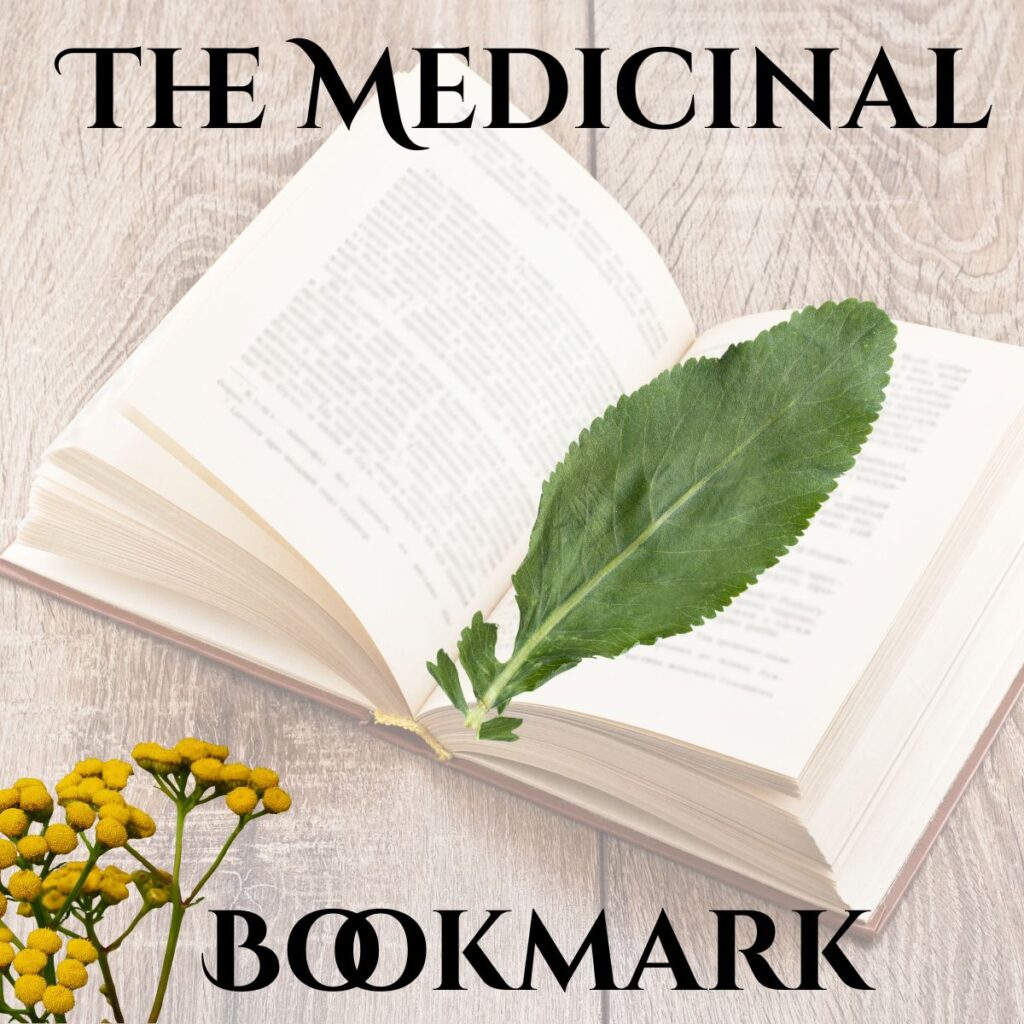
The Medicinal Bookmark 📖 🍃
A Mediterranean herb from the composite family, Costmary (Tanacetum balsamita, syn. Chrysanthemum balsamita) is a perennial growing to about 3 feet tall with yellow disc flowers, with a notable minty balsam scent.
Costmary has a long history of use as both a food and medicine, and it is also sometimes grown as an ornamental. In an herb garden, it makes a good border plant and was one of the herbs commonly used in knot gardens.
As a food, the leaves of Costmary can be consumed raw, and used sparingly they make an interesting addition to salads, as well as cooked as a spice in dishes. They were also used for making beer before the use of Hops became widespread, as well as to make spice wines; thus, one of its common names is Alecost.
The leaves are also consumed as a tea and the flower used for making jams and cakes. As Costmary also has a minty flavor it has been used for making iced drinks. Costmary is considered GRAS in the US as a flavor.
➡️ Due to its pleasant balsam-scented foliage, Costmary has also been used as a potpourri or strewing herd, to make bedding fragrant, and since its leaves are long and fragrant, they also make good bookmarks, which is a use that caused another common name: “Bible Leaf”.
Due to its volatile oil content, it is thought to be able to keep silverfish or other pests away from books. The leaves were also applied to animals to prevent ticks.
Though rarely used today as an herbal medicine, Costmary was used to relieve pain, as a tranquilizer, for stomach problems, and clearing congestion in the liver and gall bladder, and as a digestive. It is considered to be antiseptic, astringent, laxative and digestive.
Topically, Costmary is used in ointments for bruises, blisters and other skin irritations.
Through scientific investigation, Costmary has been found to exhibit antioxidant, antidiabetic, nephroprotective, anti-inflammatory, antimicrobial, analgesic, enzyme inhibitory, myorelaxant, and anticancer properties.
A recent study highlighted the nephroprotective and antidiabetic effects of Tanacetum balsamita leaf extract in experimental models of metabolic-induced renal injury (MIRI), showing significant improvements in antioxidant enzyme activities, reduced oxidative stress markers, and ameliorated kidney function in treated animals.
Additional research demonstrates that the plant’s essential oil and major constituent, carvone, possess promising anti-spasmodic and myorelaxant potential by calcium channel blockade, with potential applications in modulating gastrointestinal motility in both human and veterinary medicine.
Costmary: The Medicinal Bookmark 📖 🍃