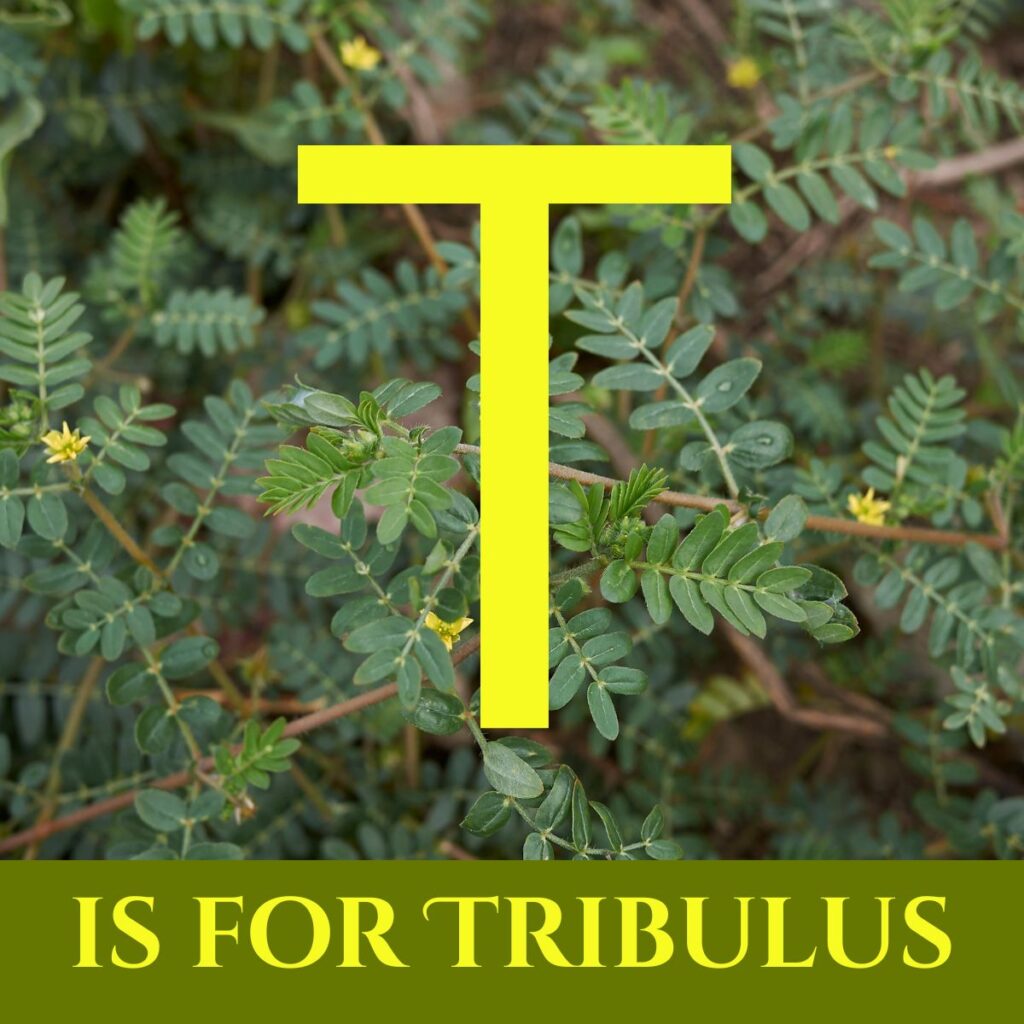
Tribulus (aka Gokshura, Puncturevine; Tribulus terrestris) is used for sexual support in Chinese Traditional <edicine, Ayurveda, and herbalism across south‑eastern Europe, where it is also valued as an astringent, tonic, and for digestive, skin, liver, and respiratory support.
In Ayurveda, Tribulus is described as having a predominantly sweet taste and is considered balancing for all three doshas, used to nourish the body, build strength, support digestion, and promote urinary and cardiovascular health, alongside its role in sexual wellness.
➡️ Although it is widely marketed in sports nutrition for muscle and athletic performance, the most consistent clinical interest and evidence to date centers on sexual health rather than strength or endurance outcomes.
Controlled human trials on Tribulus and sexual function have been conducted in women, including postmenopausal and premenopausal cohorts, where standardized extracts have improved multiple domains of sexual function, while increasing free and bioavailable testosterone.
In Functional Medicine practice, Tribulus is often used in women with low or suboptimal androgens on functional labs, with preliminary mechanistic work suggesting that protodioscin‑rich extracts may influence testosterone, luteinizing hormone, DHEA, and dihydrotestosterone.
In men with mild to moderate erectile dysfunction and/or low libido, a multicenter randomized, double‑blind, placebo‑controlled trial using a standardized Bulgarian Tribulus extract (Tribestan®) showed significant improvements in International Index of Erectile Function (IIEF) total scores and domains such as intercourse satisfaction, orgasmic function, sexual desire, and overall satisfaction compared with placebo over 12 weeks, with good short‑term tolerability and no serious drug‑related adverse events.
Systematic reviews and recent overviews of the male data, however, characterize the overall level of evidence as low to moderate, noting heterogeneity in extracts, doses, and study quality and advising caution in generalizing results across products.
Beyond sexual health, emerging trials are evaluating Tribulus in generally healthy adults, including athletes. A study in healthy elite male basketball players combined dietary Tribulus intake with blood‑flow restriction training and reported favorable effects on certain performance and recovery‑related markers, though the design does not isolate Tribulus as the sole active driver and the sample size was small.
Phytochemically, Tribulus contains a diverse suite of constituents, with primary attention on steroidal saponins (including furostanol types such as protodioscin) and flavonoids, alongside other bioactives such as glycosides, phytosterols, tannins, terpenoids, amide derivatives, amino acids, and proteins.
T is for Tribulus 💪