
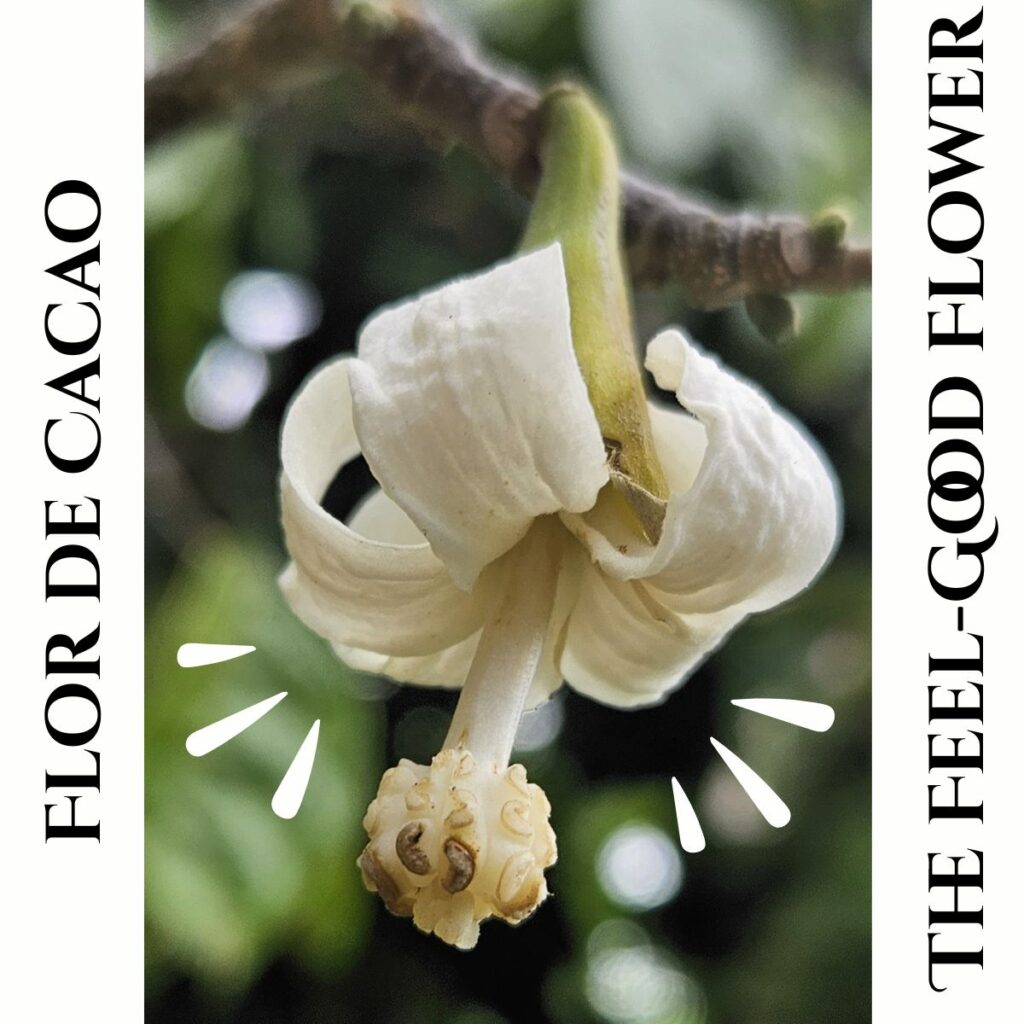
Flor de Cacao (aka. Rosita de Cacao; Quararibea funebris) is a medium to large, Mesoamerican evergreen tropical tree with small, thick, white flowers that dry to a cream‑brown and retain an intense, spicy, “fenugreek‑and‑maple” or butterscotch fragrance for years.
➡️ In Mesoamerican traditions, especially among Zapotec and Mixtec communities, the dried flowers are used as a mild medicinal aromatic in cacao‑based drinks like tejate and pozonque for conditions such as fever, menstrual pain, coughs, anxiety, and general fatigue. Historical and ethnobotanical sources note that Flor de Cacao preparations were associated with ritual, marriage, and funerary contexts, where the flowers’ calming, uplifting scent and mucilaginous, nourishing qualities were believed to strengthen the heart, soothe the nerves, and “cool” excess internal heat.
Traditional healers also used infusions or powders of the flowers, sometimes combined with cacao or maize, as tonics and as part of remedies to preserve foods and even bodies, reflecting a perceived antiseptic and preservative virtue.
Multiple plant parts have uses. The entire flower is edible and traditionally eaten raw as a popcorn‑like snack, smoked with tobacco, or ground and blended into homemade chocolate bars, cacao drinks, desserts, dips, and even guacamole, where it adds aroma, flavor, and a slight thickening mucilage.
The dried blossoms are a key spice in the Oaxacan chocolate–maize drink tejate, providing perfume, flavor, and viscosity, and historically were reserved for elite or ceremonial beverages, giving rise to names like “drink of the gods.”
Their long‑lasting fragrance makes them important in perfumes, incense, wedding garlands, and funeral rites; they are still used as scented offerings and can remain aromatic in crypts or altars for many years. Wood and twigs carry some of the same scent and have been used as swizzle sticks to froth and flavor chocolate drinks, as well as for small carpentry and, in Aztec accounts, to attract fish.
Through scientific investigation it has exhibited antioxidant, antimicrobial (antibacterial), nutraceutical, mild sedative/relaxant, and potential antitumor‑related activities.
A recent study on the nutraceutical and functional properties of Flor de Cacao flowers found that they are rich in total polyphenols, carotenoids, vitamin C, and minerals such as magnesium, potassium, and calcium, and identified specific phenolic compounds including salicylic acid, kaempferol‑3‑O‑glucoside, rutin, scopoletin, 4‑coumaric acid, and quercetin‑3‑glucoside.
Methanolic flower extracts demonstrated notable antioxidant capacity and antibacterial activity against several pathogenic bacteria, supporting the traditional use of Flor de Cacao–containing beverages as both tonics and remedies for infections or fevers.