Post Series: Herbal Preparations
In this post series, we explore the diverse ways botanicals can be prepared for culinary, wellness, and commercial applications. Learning about herbal preparation can deepen your understanding, promote self-reliance, and spark innovation in crafting unique, high-value botanical products.
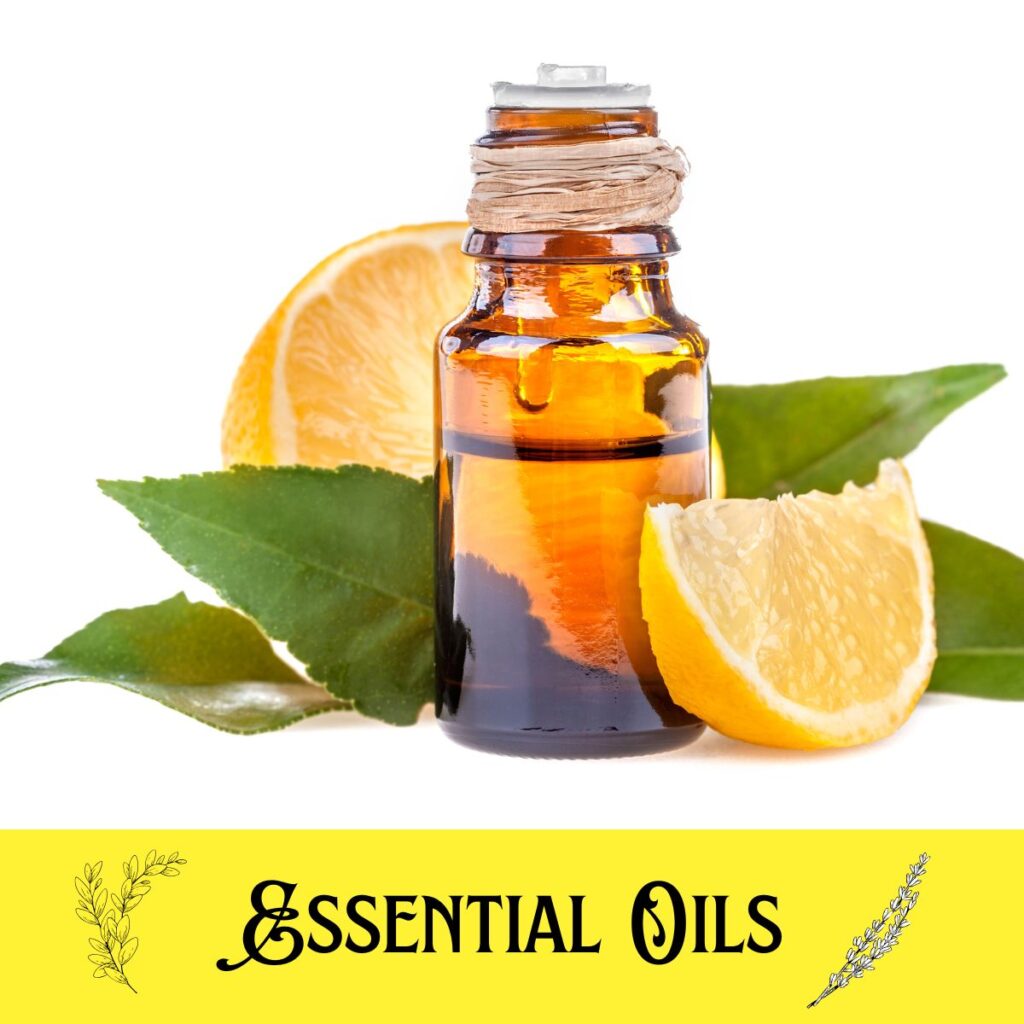
Essential oils are concentrated, volatile plant extracts obtained through steam distillation or cold pressing of aromatic herbs, flowers, peels, seeds, or woods. They capture the scent and many therapeutic properties of the plant in a highly potent form. Essential oils are used topically (usually diluted), through inhalation, or in some traditional cases, internally under expert guidance, offering benefits for mood, immunity, skin health, pain, digestion, and more.
The distillation of essential oils has roots in ancient Persia, Egypt, and India, with early records of aromatic plant extraction dating back over 1,000 years. Avicenna (Ibn Sina), a Persian physician, is credited with refining the distillation of rose oil in the 10th century. Ancient Egyptians used aromatic oils for embalming, ritual, and healing; traditional Chinese and Ayurvedic medicine incorporated aromatic substances for physical and energetic balance; and Indigenous cultures worldwide have long used aromatic plants for healing, cleansing, and ceremony.
Essential oil extraction is usually done using larger commercial distillation equipment, but there are a couple simple methods that can be done at home. Here is one:
Low-Tech Home Essential Oil Extraction: Step-by-Step
Steam Distillation (Basic Kitchen Method)
1. Prepare Plant Material: Chop or crush fresh or dried aromatic plant material (like lavender, rosemary, or citrus peels) to help release the oils.
2. Set Up Equipment: Place a heat-resistant bowl or glass jar in the center of a large pot. Add water to the pot, making sure the level is below the top of the bowl (this bowl will collect the essential oil).
3. Add Plant Material: Distribute the plant material around the bowl (not inside it), in the pot’s water.
4. Seal and Heat: Invert the pot’s lid and place it on top to create a dome (this encourages condensation to drip toward the bowl). Optionally, fill the lid with ice to help cool and condense steam.
5. Simmer: Gently heat the pot. As steam rises, it carries volatile oils. The steam condenses on the cold lid and drips into the collecting bowl.
6. Harvest Oil: After an hour or more, turn off the heat. Carefully remove the bowl; you’ll find a mix of water (hydrosol) and floating oil.
7. Separate Oil: Use a pipette or turkey baster to draw off the thin layer of essential oil from the surface, or let it settle and use a freezer (water freezes, oil does not) to help separate the oil for collection.
Essential Oils-