
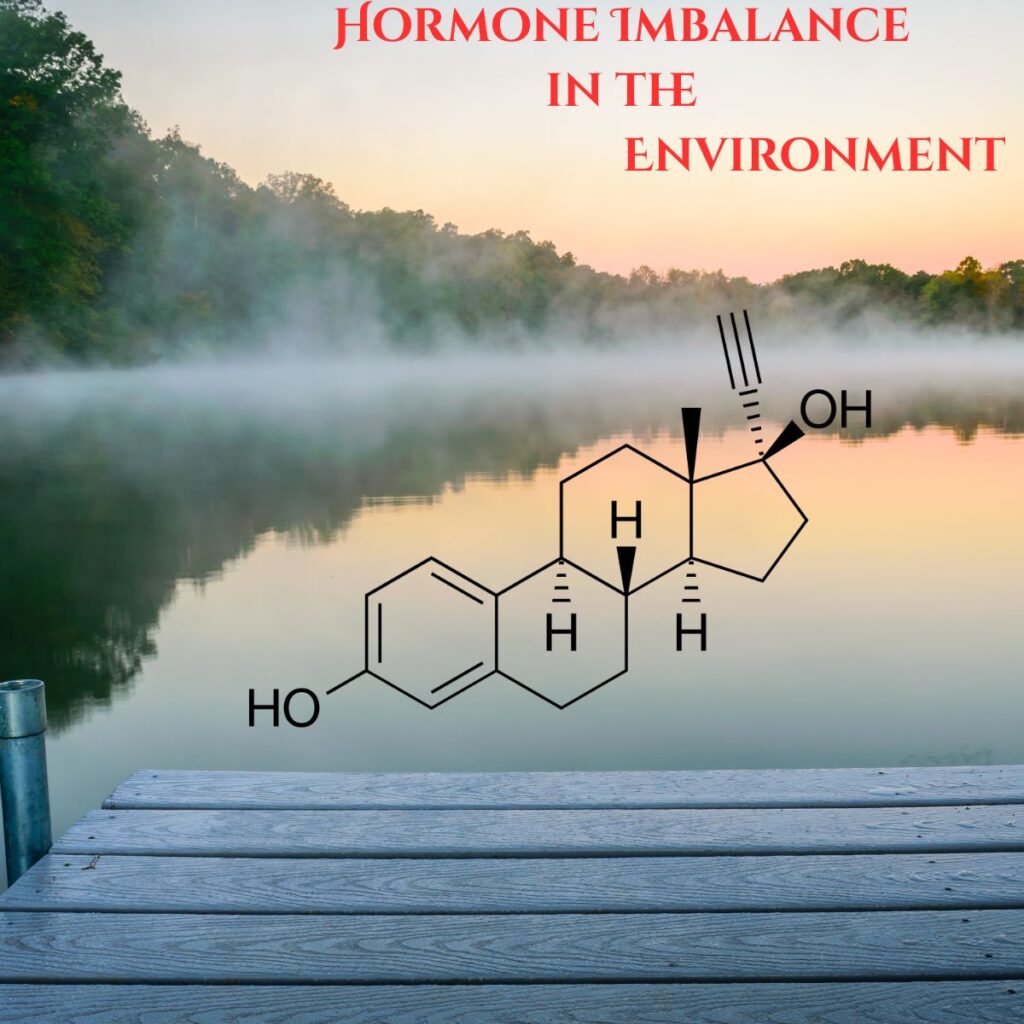
A new long-term, whole-lake study offers an unsettling reminder that endocrine-active pollutants can affect wildlife in ways that laboratory studies may not predict.
➡️ Researchers exposed a Canadian lake to environmentally realistic concentrations of ethinylestradiol (EE2), a synthetic estrogen used in some oral contraceptives.
Rather than simply becoming less aggressive (as lab studies had suggested) male fathead minnows showed intensified competition around nests, reduced nest care, fewer eggs, and ultimately severe reproductive disruption at the population level.
The larger lesson is not that one study answers every question about endocrine disruption. It is that hormones operate across behavior, reproduction, development, and ecology…and contaminants that interact with hormonal systems deserve assessment at the scale where living systems actually function: whole organisms, communities, and ecosystems.
As water receives an increasingly complex mixture of pharmaceuticals, personal-care ingredients, industrial chemicals, and agricultural inputs, robust long-term monitoring and ecologically realistic research become essential.
Reference: McCallum, E. S., Kidd, K. A., Majewski, A. R., Blanchfield, P. J., et al. (2026). Whole-lake exposure to a widespread estrogenic pollutant leads to unanticipated reproductive behaviors in wild fish. Current Biology, 36, 4513–4519.